
The Conjugate System is a training system capable of addressing and improving all aspects of strength and conditioning. No matter the athlete, the sport, or the situation, the Conjugate Method can be manipulated to deliver optimal stimulus and rapid results. As we often say, the Conjugate Method is limited only by the intelligence and ability of the coach wielding it.
Using the maximal, dynamic, and repeated effort methods, athletes experience simultaneous improvements in absolute strength, rate of force development, speed, work capacity, and overall physical composition.
These methods also provide coaches with weekly feedback regarding strength, speed, and conditioning. Based on workout performance, we can modify training on the fly to deliver higher levels of training efficiency while successfully managing fatigue year-round. If the Conjugate System is used correctly, athletes can improve and maintain sports performance both in and out of season.
Compare this to traditional linear-style training models, where athletes experience detraining regularly. Considering that most training blocks in a linear training structure focus on the development of a single specific aspect of sports performance, athletes experience “peaks and valleys” due to detraining and skill loss from block to block.
Whether we are talking about effectiveness or efficiency, a properly constructed and executed Conjugate-based training plan will always be superior to any other approach to exercise programming.
Below, we will go over a few tips to help improve Conjugate training outcomes.
Maintaining the Schedule
While improper execution of dynamic effort training is the most common reason for Conjugate failure, the second most common reason strength athletes struggle with Conjugate is a mismanaged training schedule.
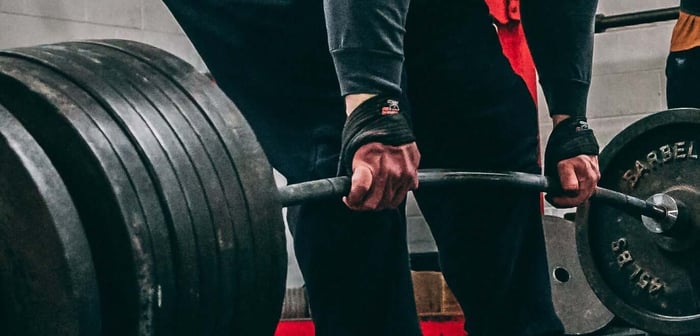
At Westside, we train four days per week, with three days of rest. Our typical schedule is max effort lower on Monday, max effort upper on Wednesday, dynamic effort lower on Friday, and dynamic effort upper on Saturday. While the actual days an athlete trains can change, the order and time between training days must remain fixed.
We always maintain 48-72 hours between maximal-effort days and 72-96 hours between maximal and dynamic effort days. This schedule helps maintain a proper balance between training and recovery, ensuring athletes can exert themselves adequately with proper intent on each training day.
Unfortunately, some believe they can train outside the recommended schedule, which always results in lackluster performance and results. For the maximal, dynamic, and repeated effort methods to work in concert, athletes must adhere to the rest times and the order of training days.
At Westside, we have worked with some of the most genetically gifted athletes, and we wouldn’t have recommended any of them to defy the recommended training and rest schedule. For the best results, stick to the plan.
Maximal Effort Accommodating Resistance
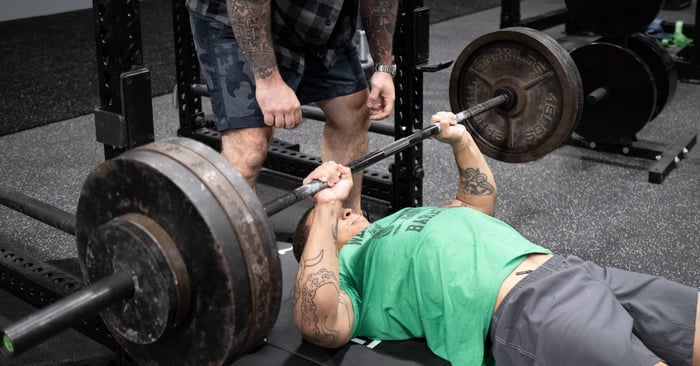
Attaching bands and chains to a barbell, known as the combination of resistance method, is a training approach popularized by Louie Simmons and Westside Barbell. This method adjusts the strength curve of exercises such as the squat, bench press, or deadlift.
Traditional powerlifts have ascending strength curves, meaning the movement becomes easier as the athlete reaches full extension. Adding accommodating resistance creates a descending strength curve, making the exercise more challenging at full extension.
Accommodating resistance will most frequently be used during dynamic effort training days. However, we can also include bands and chains during maximal effort workouts. This allows athletes to target specific joint angles during max effort training or to lessen the overall stress of the exercise by alleviating force production demands at the most disadvantageous joint angles.
While accommodating resistance is undoubtedly useful during maximal effort training, it is essential to control its frequency. If athletes use accommodating resistance during maximal effort training too frequently, they will begin to limit their ability to overcome disadvantageous joint angles.
Additionally, athletes will begin to lose the ability to estimate current absolute strength levels accurately. If you are a raw powerlifter, and most of your max effort bench training is performed with bands and chains, do you really know how strong you are off the chest? Lockout strength will increase, but reversal strength capabilities will become the limiting factor.
Bands and chains are great tools for maximal effort. However, in our experience, it is best to limit accommodating resistance to once per month for both upper and lower body maximal effort exercise variations.
Adjusting Training on the Fly
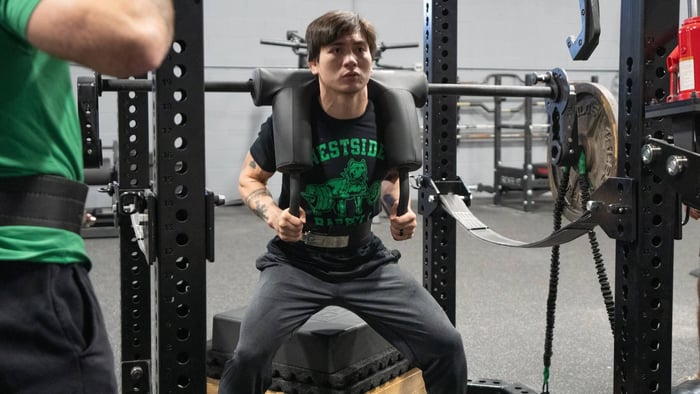
One aspect of our approach to training is that it can be adjusted on the fly based on the athlete's state at any given time. At Westside, we program training on a week-to-week basis based on data and feedback from the prior week. Then, depending on the athlete, we can further adjust this training on the actual training day to ensure optimal training each workout.
While our goal is to stick to the weekly plan as much as we can, ultimately, we cannot always predict the future. Maybe an athlete has a busier practice schedule than usual, or their work schedule has affected rest and recovery. Either way, we will always modify training to ensure our athletes can make progress without becoming excessively fatigued.
Training can also be adjusted depending on the results of the main exercise. For instance, if an athlete clearly displays triceps weakness during a bench press variation, we can modify the accessory work from the original plan to an updated plan that immediately begins addressing the triceps issue.
Most often, a properly constructed week-to-week plan results in high levels of effectiveness and efficiency. However, the freedom we have to adjust training on the fly is just another layer of our training process that leads to even higher levels of effectiveness and efficiency, provided the coach knows what they are doing.
While we generally try to stick to our standard weekly plan, we are never afraid to overhaul the approach to optimize training for each athlete.
For more information on the Conjugate Method, check out the WSBB Blog.