Table of Contents
In the world of strength and conditioning, the max effort training is often misunderstood. If you ask the average strength and conditioning coach about the maximal effort method, you will likely hear a negative opinion. Often, you will hear something to the effect of “maxing out every week is pointless and dangerous”.
However, as informed strength and conditioning coaches know, the maximal effort method is one of the most effective means of improving overall athletic performance. This method allows athletes to raise the capacity for all other strengths and athletic traits to be improved. While there are benefits to using submaximal weights, they pale in comparison to well-executed maximal effort training.
At Westside, we have utilized the maximal effort method to improve the sport performance of strength and conventional sports athletes for many years. Oddly enough, our injury rates have remained low because we have experience with maximal effort training and know how to execute it safely.
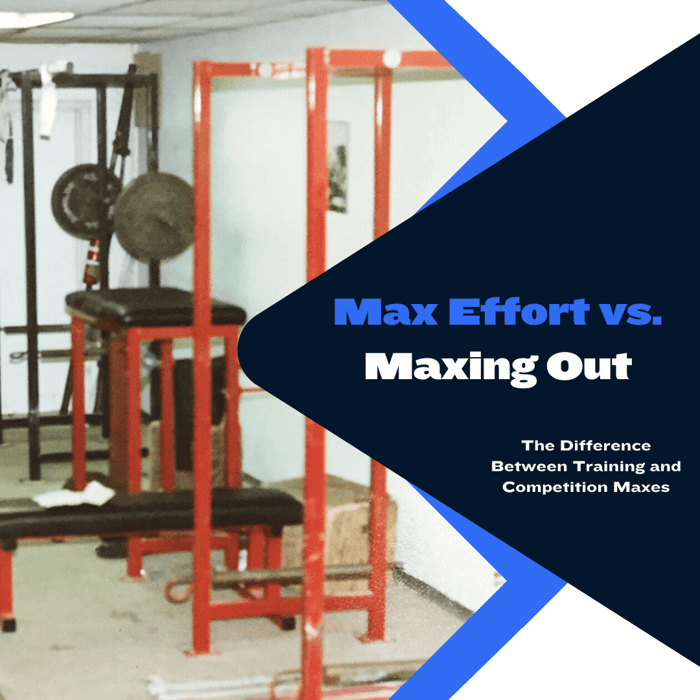
In this article, we will discuss the difference between maximal effort and maxing out, as well as the benefits associated with properly executed maximal effort training.
The Difference Between Training and Competition Maxes
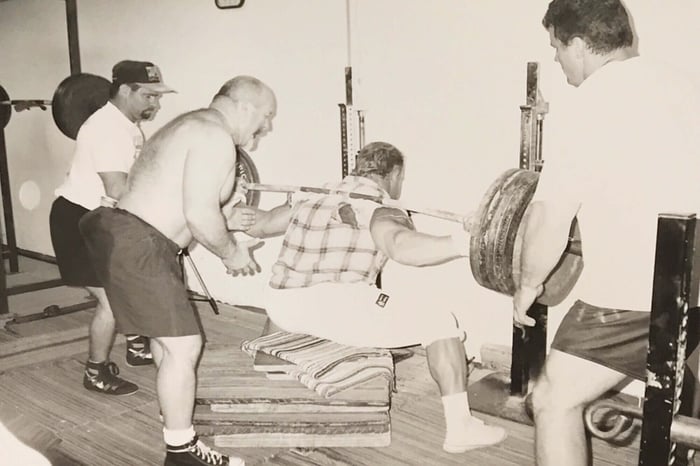
A critical aspect of max effort training is understanding the difference between a training and a competition max. During our typical max effort training, we are working up to a training max, which means we are lifting the heaviest weight we can for that session, given the accumulated training fatigue.
So, the primary difference between a training max and a competition max is preparation. During a typical maximal effort training session, we, of course, want to ensure our discipline outside the gym supports productive training. However, we are not purposely manipulating the training schedule or resting to lift the heaviest weight we possibly can, which would be the approach leading into competition.
During maximal effort training, we are only concerned with providing adequate stimuli to increase absolute strength. For this to be possible, athletes must consistently reach at least 90% of their training intensity during each maximal effort workout. Ideally, athletes will exceed 90%, aiming to attain PR lifts on a regular or fairly regular basis.
If the goal is to establish a new competition max, which of course happens at competition, we would run a 12-to-16-week training cycle with an appropriately planned peak to ensure we show up to competition well rested and ready to attain an all-time competition PR.
Training maxes are less fatiguing because the current level of training fatigue essentially autoregulates the training. With a competition max, we can expect to experience greater fatigue because we deliberately plan to lift the heaviest weight we can physically lift.
Max effort training is not “maxing out”. This method is an essential aspect of strength training and provides an athlete with benefits that other training methods cannot match.
The Benefits of Improving Absolute Strength
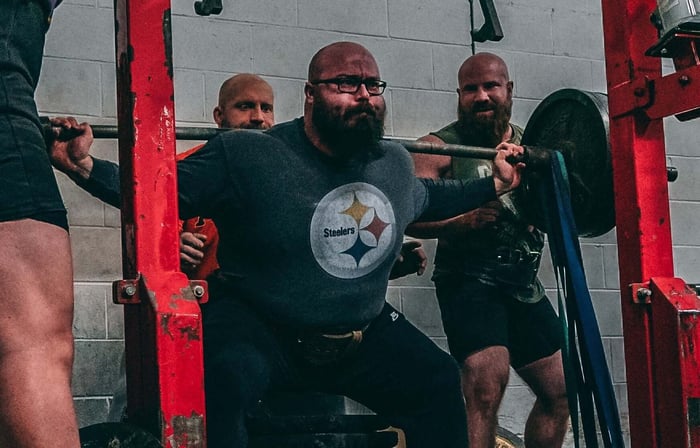
Once athletes regularly perform max effort work, absolute strength will improve rapidly. One question I have received before is whether maximal effort training is the only means of improving absolute strength. While it is not the only way to improve absolute strength, it is the most efficient.
Dynamic and repeated effort work can lead to gains in absolute strength due to fatigue incurred during intra- or inter-set work. As fatigue increases, higher-threshold motor units will be recruited, improving absolute strength to some degree. However, dynamic and repeated effort training cannot match the rate of improvement achieved with maximal-effort training.
When we institute proper maximal effort training, we will begin to see rapid improvements in absolute strength. This training will also improve intra- and intermuscular coordination. This means that single muscles and muscle groups will work more efficiently as a system, leading to improved force output and overall movement execution.
Additionally, the intensity of max effort training will positively affect bone and tissue density. Something Lou often spoke about was the lack of max effort training in athletics and the prevalence of the same injuries year after year.
In our opinion, one likely cause of these injuries is that athletes are getting stronger and more explosive but are missing one key component: loading.
By loading the barbell to 90% or above, athletes will begin to increase the density of their bones and soft tissues, helping create a more durable, resilient athlete. For instance, one wonders how many knee injuries could be avoided if the hamstrings and calves were trained with heavy weights rather than moderate, light, or ultralight weights.
Maybe the most important aspect of improved absolute strength is that it increases the capacity for all other strengths and traits to be improved. As an athlete improves their absolute strength, they also raise their potential to become faster and more explosive.
If you’ve ever heard that lifting heavy weights makes you slow, you can confidently say you've spoken to a fool.
Safely Executing Maximal Effort Training
Now that we understand the differences between training and competition maxes and have discussed the benefits of increased absolute strength, we will discuss how to safely execute maximal effort training.
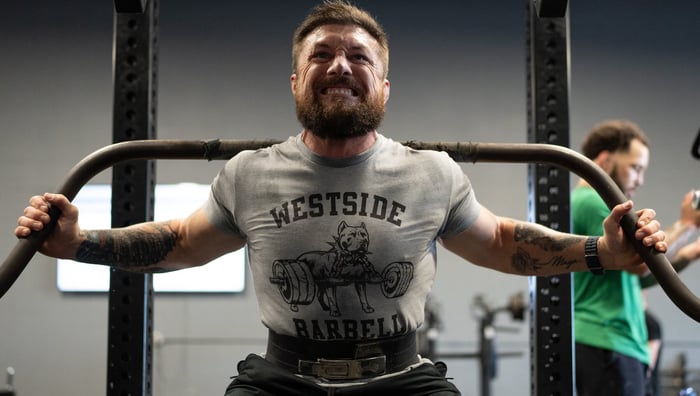
Safe maximal effort training comes down to two things: the coach's ability to evaluate the work-up sets, and the athlete’s ability to perform the exercise properly. Coaches must ensure that energy levels and movement execution are on point before reaching the top set of the day, and athletes must have the skills necessary to appropriately execute the work beyond the 90% intensity threshold.
One thing I find odd is the same coaches who will criticize maximal effort will run their weight rooms like a madhouse. You will see coaches and athletes yelling and getting emotional, with the athlete executing the movement doing whatever they can to survive the rep. Often, the technique exhibited is poor, and the athlete is fortunate to have avoided injury.
At Westside, we are constantly evaluating the work-up sets prior to a maximal effort, ensuring athletes are not getting in over their head from a strength or movement skills standpoint.
We also avoid using emotion during our max effort training. We want athletes to be intense but also focused. We do not want to rely on emotion session to session, as this can affect the quality of the training data and lead athletes to incur excess fatigue, turning every max effort session into a do-or-die situation.
Again, we are seeking adequate training stimuli to improve maximal effort strength. We are not looking to set an all-time world record in the gym, nor are we placing the athlete at risk of injury due to poor judgment and management of the training session.
As a coach, it is important to stress the importance of keeping a level head during training and avoiding relying on emotion to lift the weight. If the weight cannot be lifted with a level head and strict technique, we leave a set in the tank and move on to our accessory exercises.
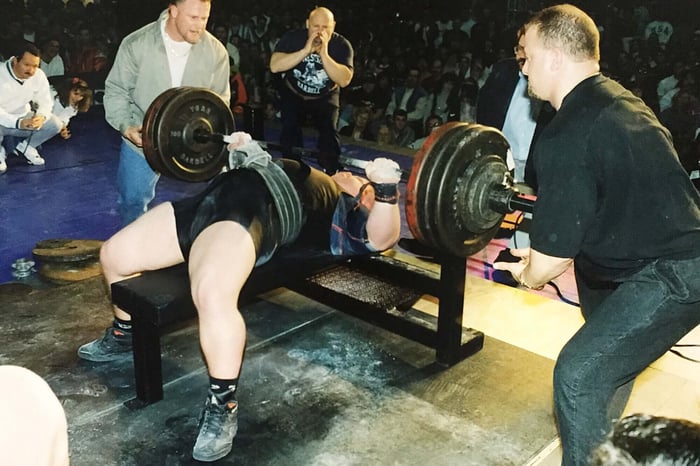
The Westside Way
The maximal-effort method has been used at Westside Barbell for decades. Today, we still use this method for all of the athletes we work with. Oddly enough, our injury rates remain incredibly low.
Why? Because our athletes possess a high level of absolute and relative strength and have become more durable and resilient through consistent exposure to 90%+ training intensity.
We are not maxing out; we are consistently exerting max effort. While these terms sound somewhat similar, hopefully the above text has helped to explain the nuance between the two.
We train maximal effort in the gym; we max out at competition. This approach has not only led to incredible results in the world of strength sports but also to dominance in conventional sports. The athletes training at Westside Barbell continue to prove the efficacy of maximal effort training.
If you still do not understand maximal effort training, feel free to reach out, and we can schedule a workout at Westside.
Westside Downloadable Seminars- Maximal Effort Method™

$5.00
Learn how to increase Absolute Strength and discover why the Maximum Effort Method is the most crucial aspect of strength training. In this seminar, Louie Simmons explains the principles behind pushing your limits in the weight room and how the… read more