




From a Broken Shoulder
to a Better Bar.
"I started with a broomstick. Hung resistance bands off each end. Hooked kettlebells to the bands. The kettlebells swung as I pressed. The bar wobbled. The pressing pain disappeared."
— Jim Seitzer, FounderJim came to Ohio State as a gymnastics scholarship kid. Lettered three years on the rings. Two weeks before the Big Ten meet his junior year, he tore his bicep doing straight-arm shoots. The injury never healed. Senior year, he was finished as a gymnast.
He started lifting weights to rehab the arm, ended up at the OSU weightlifting club in the southwest corner of the bell tower. One Saturday in June 1976, a guy with hair down to his shoulders walked in and started benching what looked like everything in the gym. Jim worked up the nerve to ask him for help. The guy said come by my place next Saturday. That guy was Louie Simmons.
Jim showed up at 590 Larcomb the following week. Five guys, a basement, no commercial gyms anywhere in Columbus. They squatted heavy. They figured it out as they went. Jim was the first official Westside member. He stayed through the basement years, the garage years, and the move to Briggs Road. He won Mr. Ohio. He pulled an Elite 1,824 powerlifting total. He was the only national-level bodybuilder in America to do both.
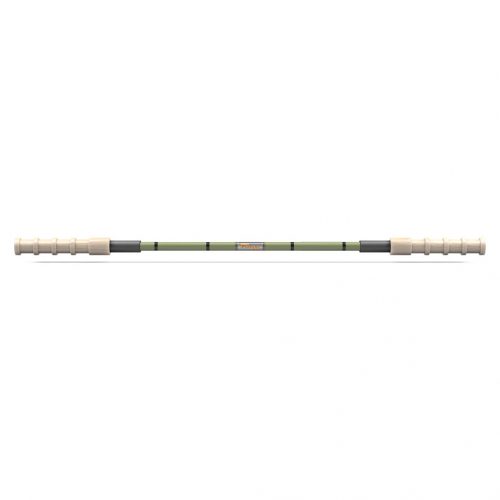
Decades of squatting 500-plus pounds wears a body down. By his fifties, Jim's shoulders were finished. He couldn't bench an empty bar without pain. Most lifters quit at that point. Jim went into the garage and started experimenting. A broomstick. Bands hooked to each end. Kettlebells dangling off the bands. The first time he benched it, the kettlebells swung, the bar wobbled, and the pain was gone.
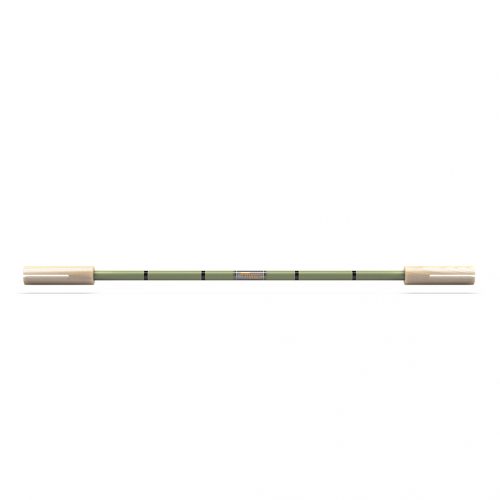
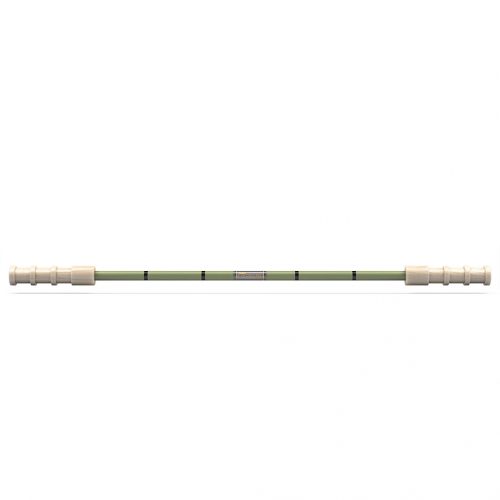
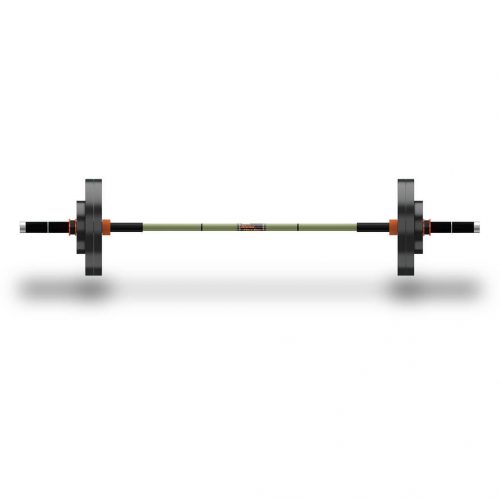
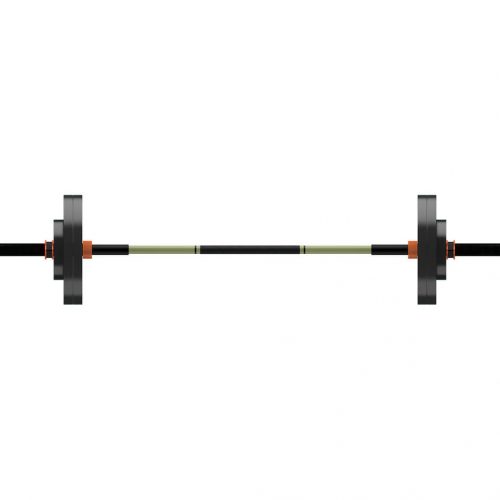
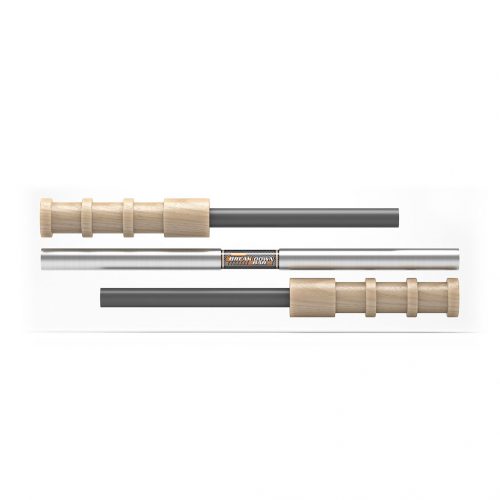
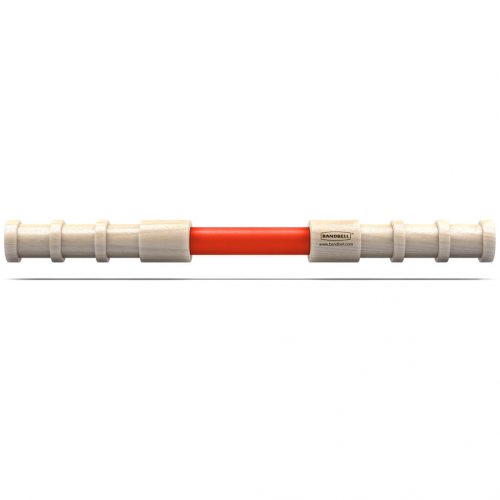
That ugly first prototype is now in gyms in over twenty countries. Jim spent the next two decades refining it into the Earthquake Bar, the RhinoFlex, and the rest of the lineup. Every bar he makes solves the same problem he started with: how do you keep loading the body when conventional bars are breaking it down?


