The maximal effort method is one of the three primary strength training methods featured within the Conjugate System. This training method aims to enhance an athlete’s absolute strength, which has a cascading effect on other aspects of strength and athletic performance, including rate of force development, work capacity, and physical composition. Additionally, this high-intensity style of training results in improved bone and tissue density, which is vital for athletes.
For many years, coaches have feared or misunderstood maximal effort training. Many believe that this training is unnecessary and perceive it as similar to “maxing out,” or what we would consider a competition max. This means that we have specifically peaked and tested a lift to reveal true absolute strength levels.
Maximal effort training is focused on training maxes. A training max is a lift that represents the athlete’s current level of absolute strength, affected by accumulated fatigue throughout the training cycle. These maxes do not reveal an athlete’s true absolute strength, considering we do not specifically peak to reduce fatigue and achieve a competition max.
Maximal effort training is all about achieving worthwhile intensity levels every week to provide the stimulus necessary for absolute strength to continue improving. Below, we will discuss the intent of maximal effort training and outline how to execute and assess maximal effort lifts.
The Intent of Maximal Effort Training
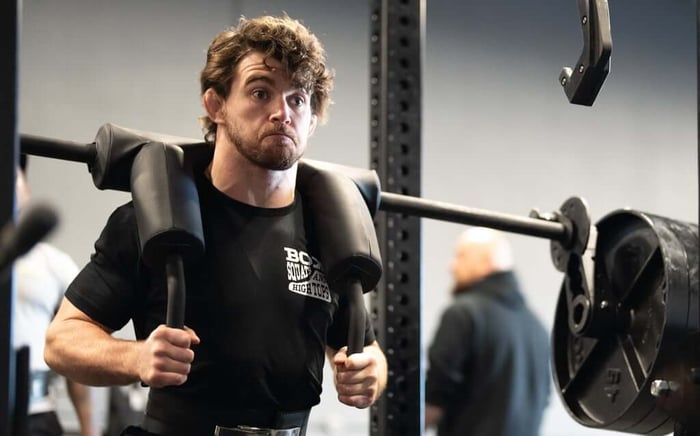
At Westside, we use maximal effort training to increase absolute strength and enhance the rate of force development. It is important to note that while we focus on rate of force development training during our dynamic effort work, maximal effort work also improves an athlete’s rate of force development. Dynamic effort focuses explicitly on achieving this adaptation, while maximal effort triggers the adaptation as a by-product of increased absolute strength.
Proper maximal effort training calls for athletes to reach the highest level of force output possible for that given training day. This means that expectations should be based on the most recent training performance and the current level of training fatigue. However, as a coach or athlete, we want to focus on lifting the heaviest weight we can that training day without allowing egregious breakdowns in technique to occur.
The minimum level of training intensity at which we can still achieve an increase in absolute strength is 90%, or a weight that we could likely execute for a top set of three reps. However, the closer we get to 100%+ (PR), the greater the overall adaptation. While we seek to PR any time we retest a maximal effort variation, we must keep expectations reasonable when excess fatigue is present.
Regarding top set rep counts, we prefer to work up to max effort singles. However, a max effort top set of two or three reps will improve absolute strength, just not as efficiently as a properly executed max effort single.
Evaluating Maximal Effort Lifts
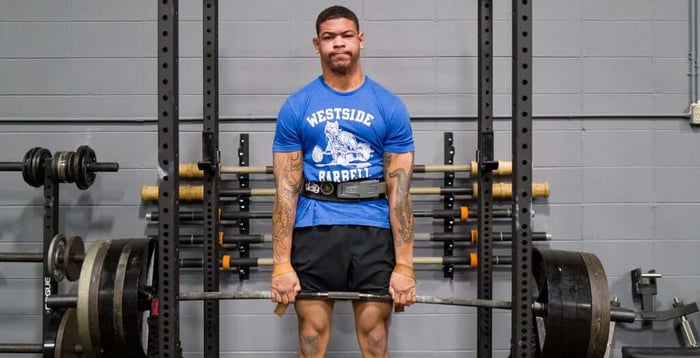
Understanding why we execute maximal effort lifts is relatively simple for anyone with a basic knowledge of strength training. However, where many become lost with the maximal effort method is when it comes time to apply the methodology in the gym. Inexperienced coaches often lack sufficient experience with maximal effort themselves and improperly evaluate maximal effort lifts.
If a coach lacks experience, they will often favor one of two extremes. They either end the exercise too early or let the athletes continue making jumps until egregious breakdowns in technique occur and the risk of injury spikes.
In either case, these coaches end up with lackluster results and then blame the maximal effort method for their failures. As a coach, when executing a maximal effort workout, we aim to bring the athlete to the point where some breakdowns in technique occur, while keeping the overall risk factor of the lift within an acceptable range.
For instance, with a maximal effort squat, some spinal flexion is expected. However, we do not want to allow athletes to continue making jumps to the point that the technique completely breaks down and a maximal effort squat turns into a poorly executed good morning. There is a fine line between optimal maximal effort output and a missed lift.
This is why it is crucial for any coach utilizing maximal effort training in their programming to sharpen their understanding of the methods through personal experience. This means both training themselves and other athletes. As the coach’s personal kinesthetic awareness improves, their ability to judge fatigue levels and risk factors when coaching others through maximal effort training improves.
At Westside, we always strive to train as hard as possible during every workout. However, we also understand we must avoid crashing out for the rest of the training cycle to remain productive. Maximal effort work is about intelligently reaching the highest intensity possible for that given day, achieving optimal stimulus, and leaving the gym injury-free.

Proper Mindset
Successful maximal effort training not only requires a proper understanding of the training, but it also requires athletes to have the proper mindset for the training. A common misunderstanding regarding maximal effort training is that we go berserk and try to achieve a PR no matter the cost to the athlete or the overall training cycle. This is not the case.
As we mentioned before, we are concerned with training maxes on a week-to-week basis; we are not treating this like our last competition lift of our career. This means we want to keep emotions in check and minimize our reliance on adrenaline. We save that for when it matters most, on competition day.
By regulating emotions and maintaining a level head, we achieve reliable training data unaffected by emotional states that cannot be replicated from session to session.
This helps not only to keep maximal effort work on track, but also dynamic effort work. If an athlete goes all out to achieve a new max, it can result in an inability to perform the corresponding dynamic effort training weights to standard.
While we are dialed in and always on the hunt for a new PR during any maximal effort day, we ensure that we avoid reaching an excited mindset similar to what would be experienced in a competitive setting. Think controlled aggression.
The maximal effort method is the most efficient means of improving absolute strength; it is not intended to be used as a gut check.
Check out the WSBB Blog for more information on maximal effort training.